The Hashimoto's Disease Diet: A 90-Day Root Cause Protocol
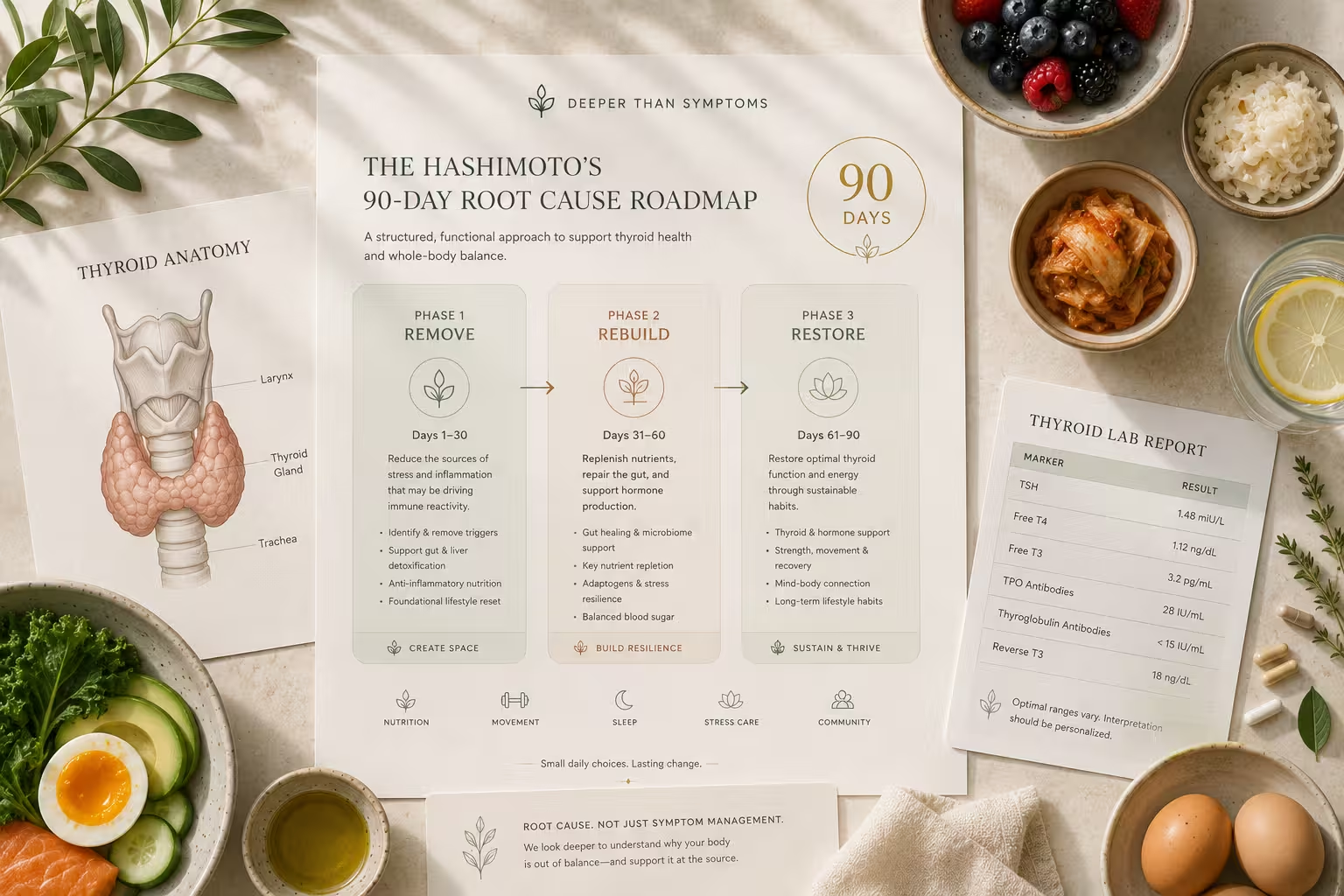
The Hashimoto's disease diet, done properly: a staged 90-day elimination and reintroduction protocol built on what the research actually shows.
Dr. Pooja didn't set out to write about gut health and hormones. She set out to become a pharmacist — learning how drugs move through the body, why they interact the way they do, and what it actually takes to prove a treatment works. That training is still the lens she writes through today. She holds a Doctor of Pharmacy (PharmD) from Rajiv Gandhi University of Health Sciences, graduating with Distinction, and currently works as a Clinical Research Coordinator at Premier Research. In this role, she manages day-to-day operations on clinical trials for sponsors including Sanofi, Syneos Health, and Lupin Limited. Every study she works on follows ICH-GCP and ALCOA+ standards — the same strict rules that keep clinical data honest enough to get a new medicine approved. That habit carries over into her writing: she checks claims against the research before making them, and she's upfront about what's well-established, what's promising but early, and what's still debated. That same curiosity led her to publish research of her own — including a study on how women with PCOS want to be counseled about their condition, and a case study on the herbal plant Punarnava in chronic kidney disease care. Long before Deeper Than Symptoms existed, she was already asking the root-cause questions this blog is built around. Deeper Than Symptoms is where that research background meets the questions she kept hearing from friends and family: why do my labs look normal when I still feel awful, and what's actually driving this? Pooja writes to answer those questions honestly — without overpromising, and without replacing the care of your own doctor.
Page last reviewed: July 2026

The Hashimoto's disease diet, done properly: a staged 90-day elimination and reintroduction protocol built on what the research actually shows.

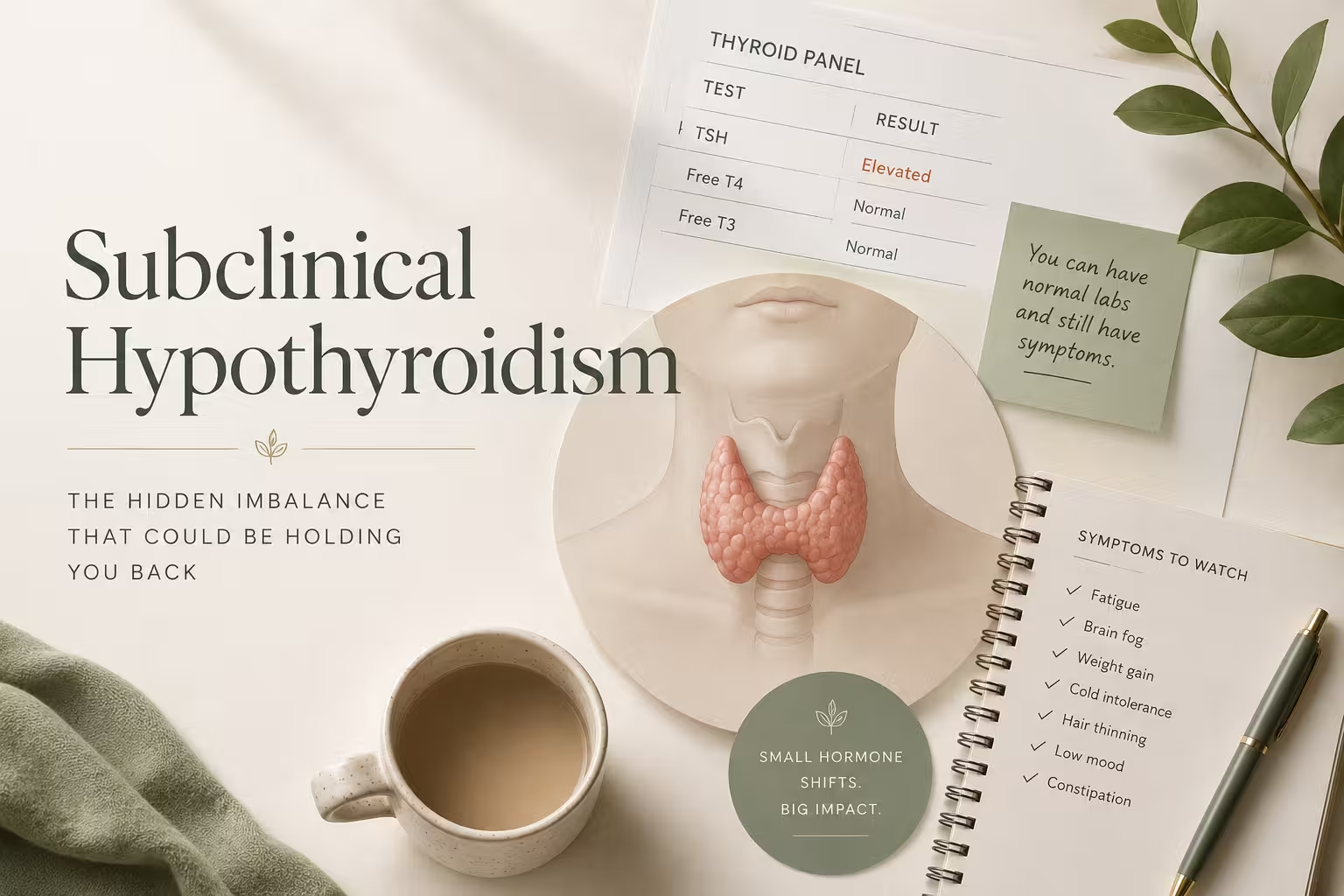
Subclinical hypothyroidism means high TSH with normal T4. Learn what the subclinical hypothyroidism TSH range means, why it's debated, and what to ask next.

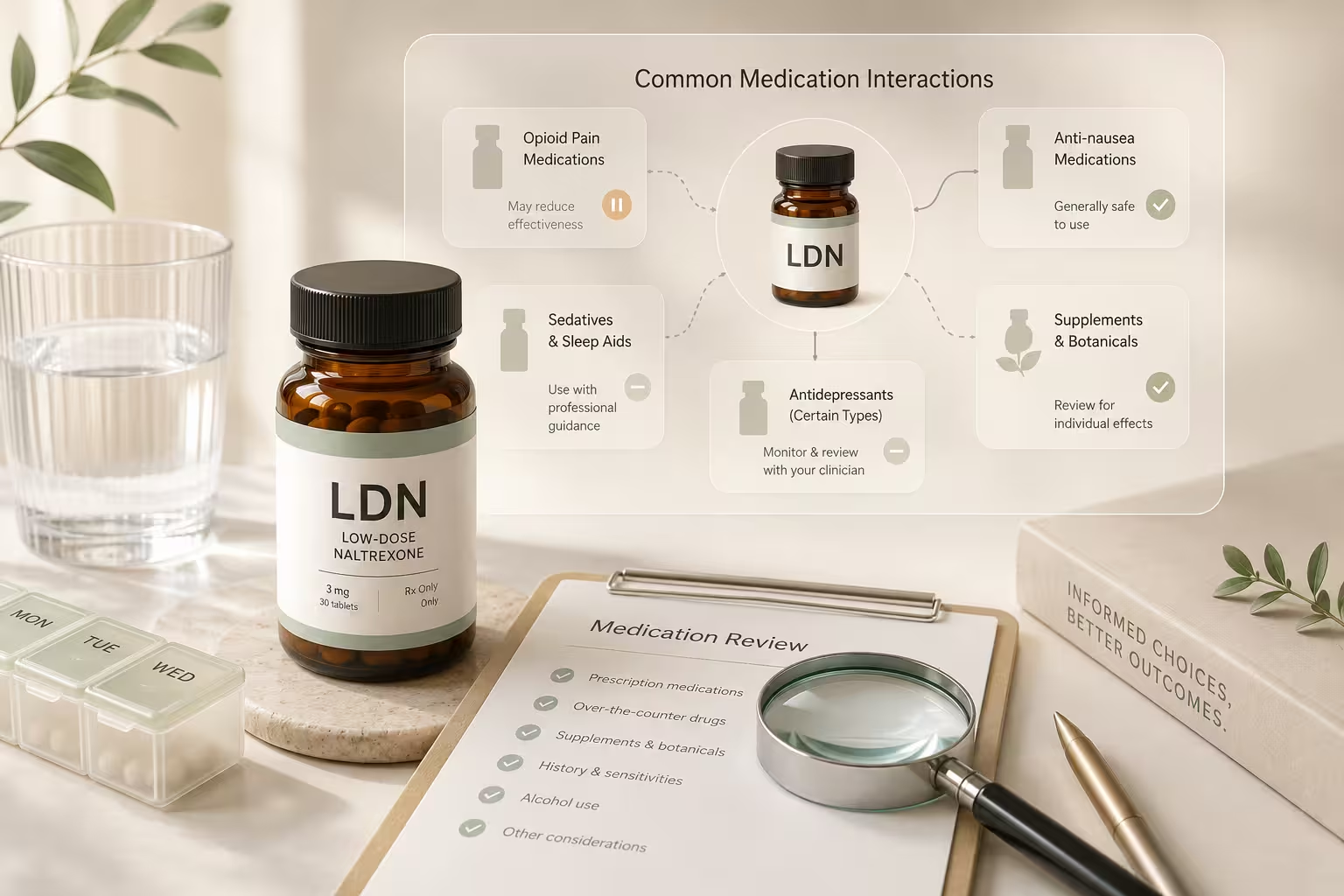
What to avoid when taking low dose naltrexone — from opioid medications to alcohol — explained clearly, plus side effects worth knowing about.

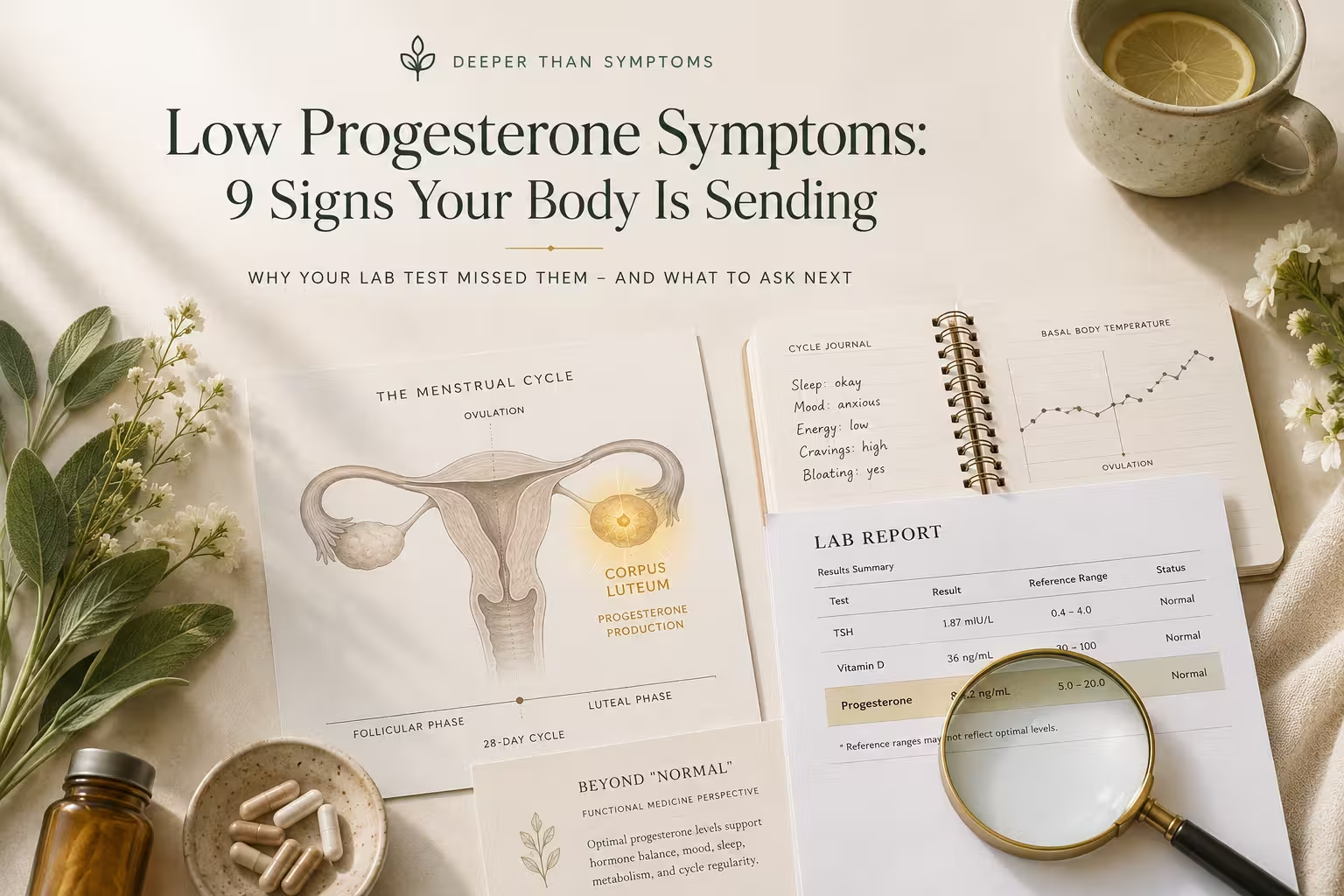
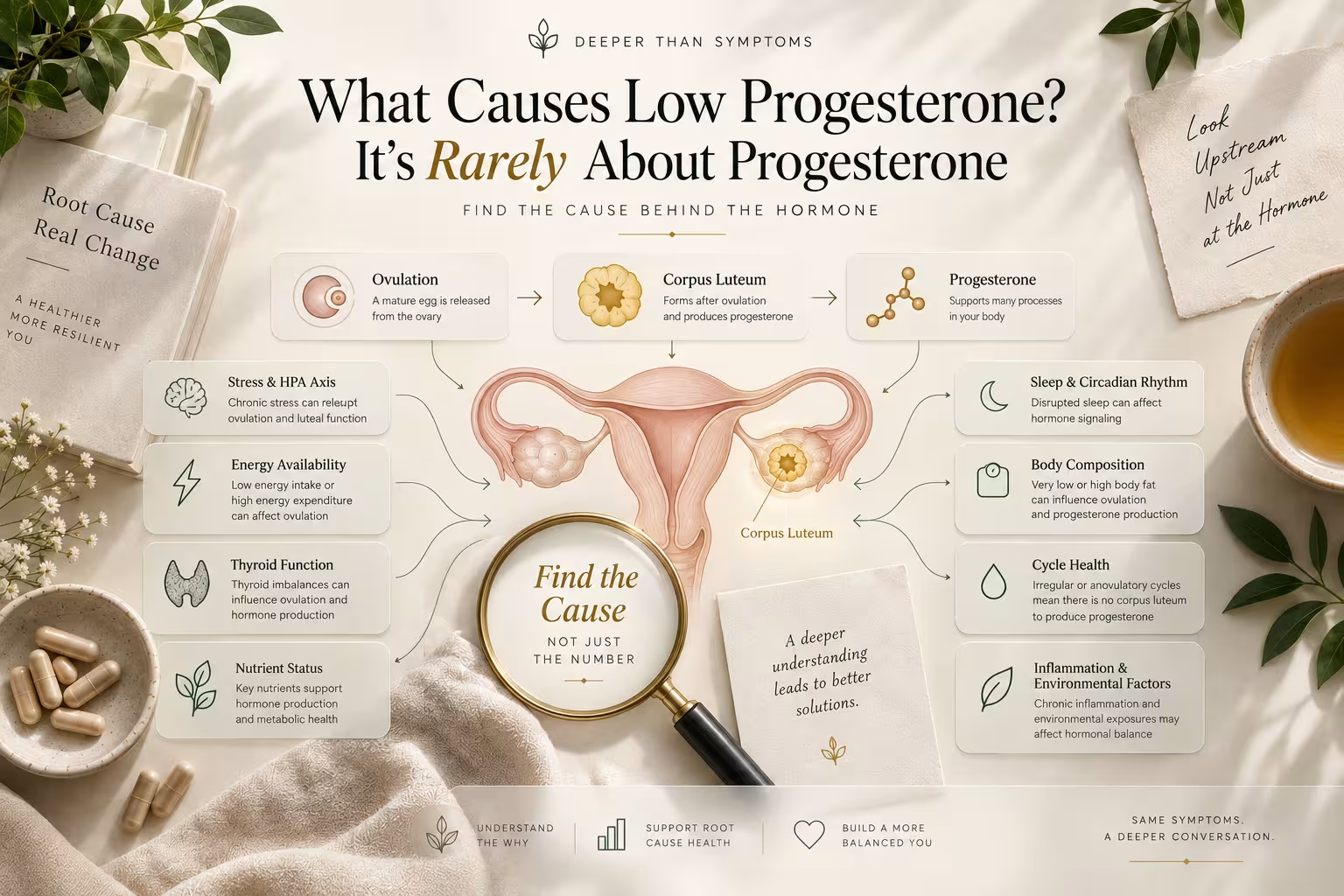
Low progesterone symptoms often hide behind a normal period. The 9 signs, why your lab test missed them, and what to ask your practitioner.

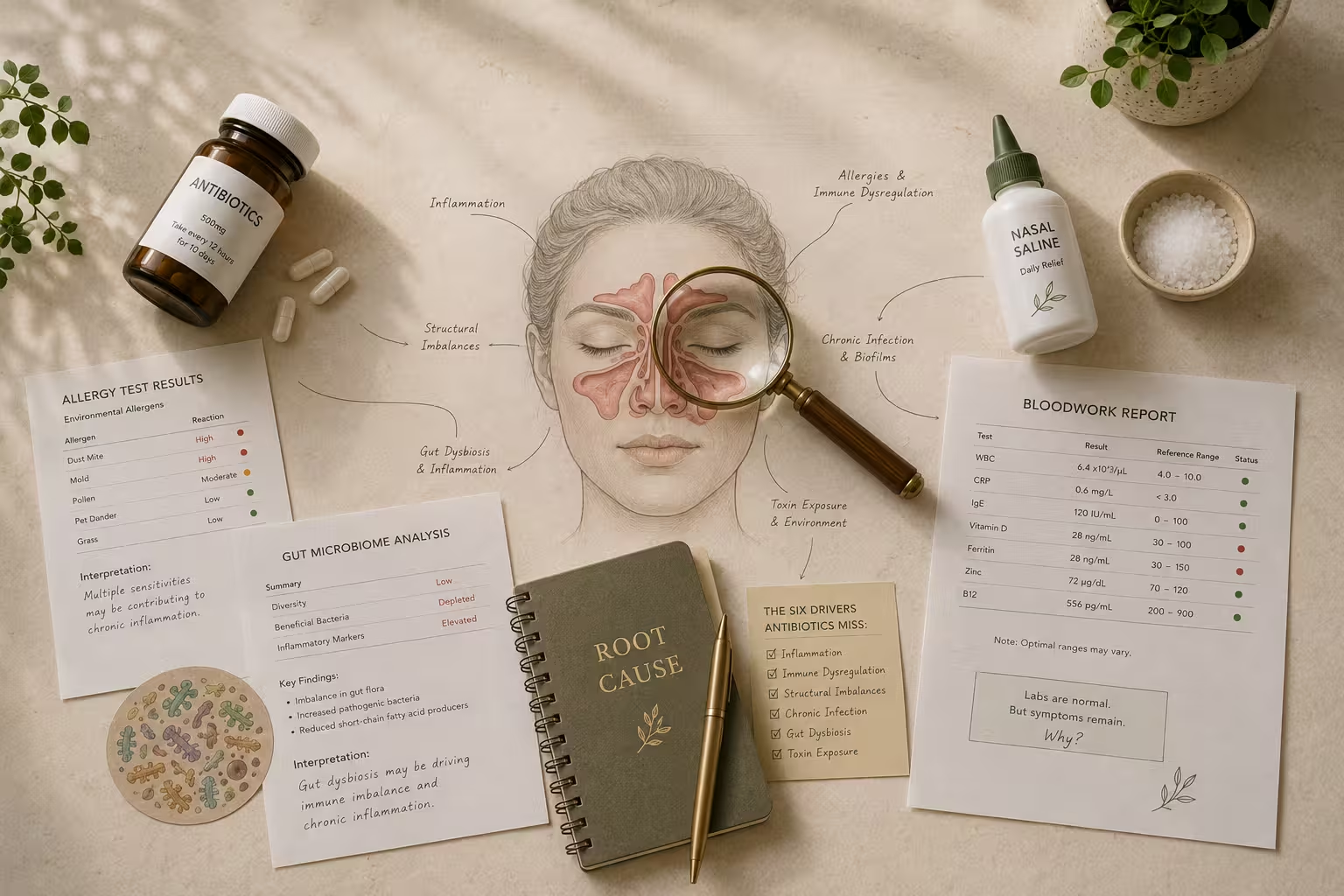
The root cause of chronic sinusitis is rarely one infection. Here are 6 upstream drivers — including two most doctors never check — and what to do next.

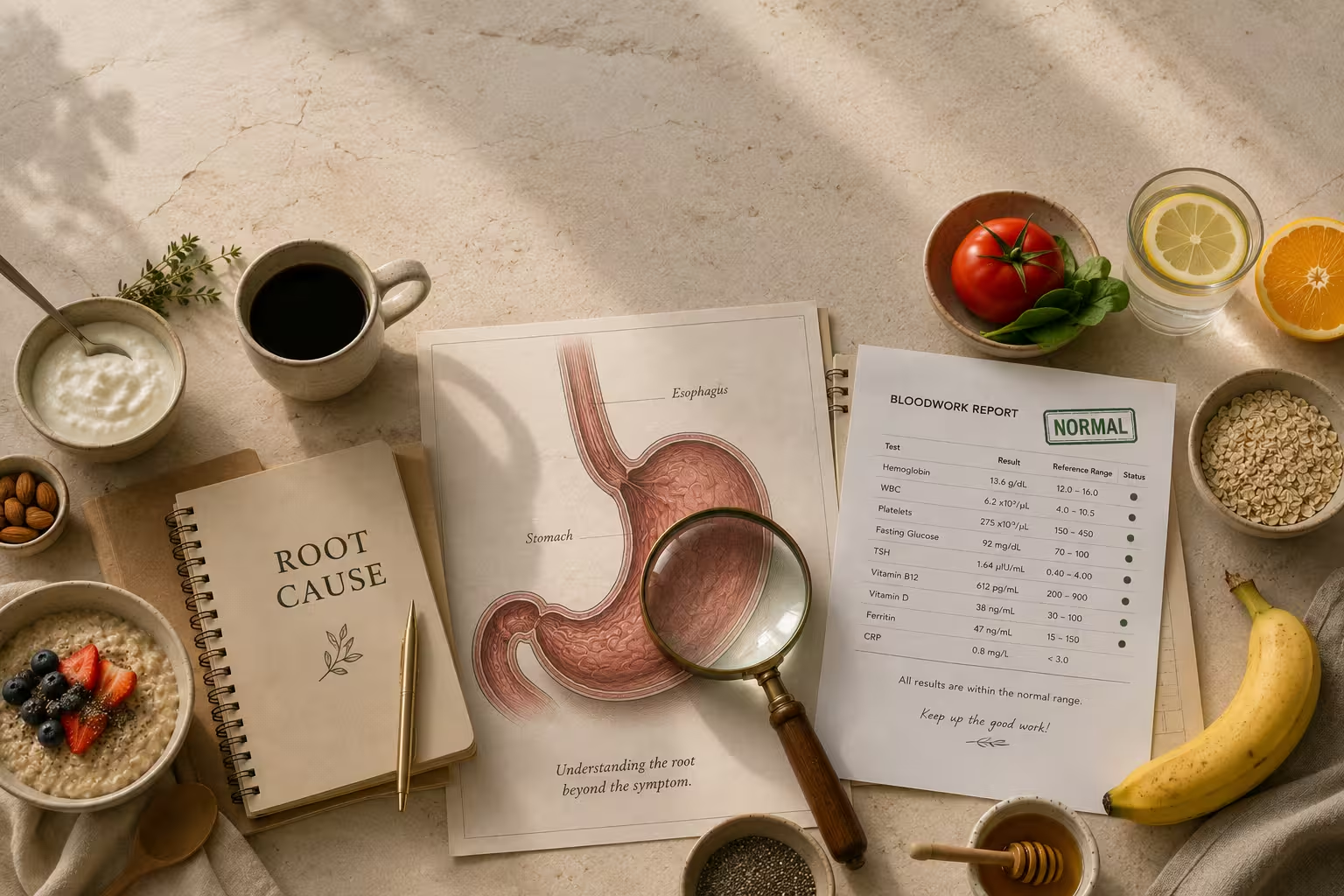
Discover the surprising root cause of acid reflux most people miss — low stomach acid — and why PPIs may not fix chronic reflux. Evidence-based.

Does insurance cover functional medicine? What's typically covered, what you'll pay out of pocket, and 7 real ways to lower the cost, including HSA and FSA.

Nervous about your first functional medicine appointment? This checklist covers exactly what to bring, write down, and ask — so nothing important gets left behind.

Functional lab ranges vs conventional — why your "normal" bloodwork could miss early imbalance, and how optimal ranges reveal what standard labs don't.